A Pipe Just Burst: What to Do in the First 10 Minutes
If a water pipe just burst inside your home, take these four immediate actions: first, immediately shut off your main water valve near the street-facing foundation; second, switch off electrical power to wet rooms; third, open your lowest and highest faucets to drain residual line pressure; fourth, call a licensed emergency plumber at (858) 363-8298 before moisture destroys structural subfloors.
When a pressurized residential water line splits or freezes, water discharges at a furious rate of 8 to 15 gallons per minute under typical 50 to 75 psi municipal pressure. Within ten minutes, over 100 gallons of water can cascade through second-floor ceilings, saturate drywall, ruin hardwood flooring, and pool into basement finished areas. Whether you are living in an historic West Chester borough twin, an Exton colonial, or a property along the Downingtown Brandywine corridor, executing this calm, disciplined checklist prevents catastrophic structural loss.
Step 1: Shut Off the Main Water Valve Immediately
Do not waste precious seconds searching for buckets, towels, or mops while hundreds of gallons of pressurized municipal water flood your living space. Your absolute top priority is closing the primary water supply to your building.
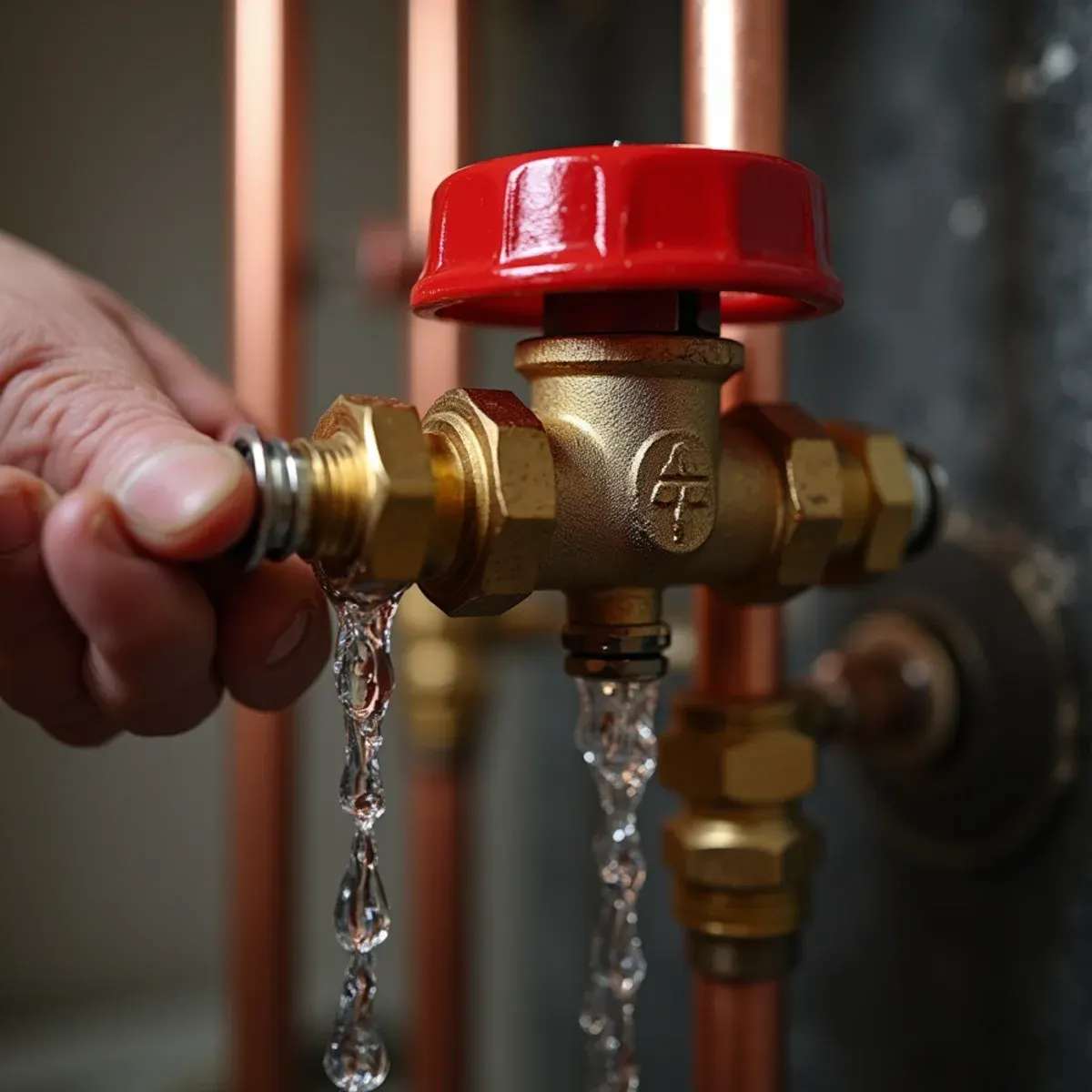
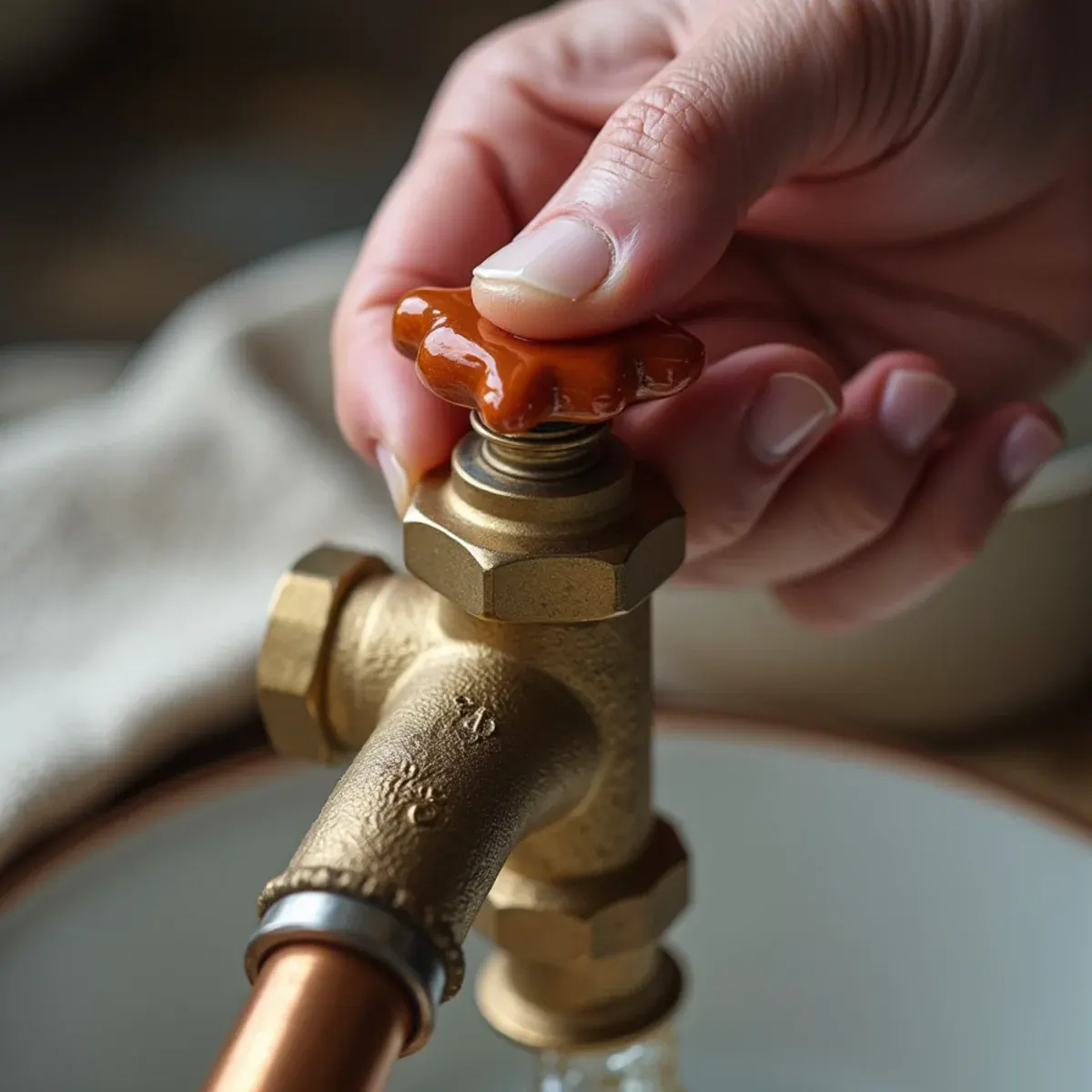
In the majority of Chester County single-family homes and townhomes, the main water shutoff valve is located in the basement or crawlspace along the front foundation wall, positioned directly where the copper or polyethylene service line penetrates the concrete slab before connecting to the water meter. If your system features a modern quarter-turn brass ball valve with a lever handle, turn the handle 90 degrees until it is perpendicular to the pipe. If your home has an older round-wheel brass gate valve, turn the wheel clockwise until it stops and seats firmly.
Never force an ancient, corroded gate valve with a cheater bar or pipe wrench, as the internal stem can snap off, leaving the valve stuck in the open position. If you cannot turn off your interior main valve, call Madrid Plumbers at (858) 363-8298 immediately. Our on-call service vans carry specialized curb keys to shut off the municipal water supply at the street curb box.
Step 2: Kill Electrical Power to Wet Areas
Water and electricity create an immediate lethal electrocution hazard. When water cascades through light fixtures, outlets, or pools on the floor near major appliances, standing water can become electrically energized without warning.
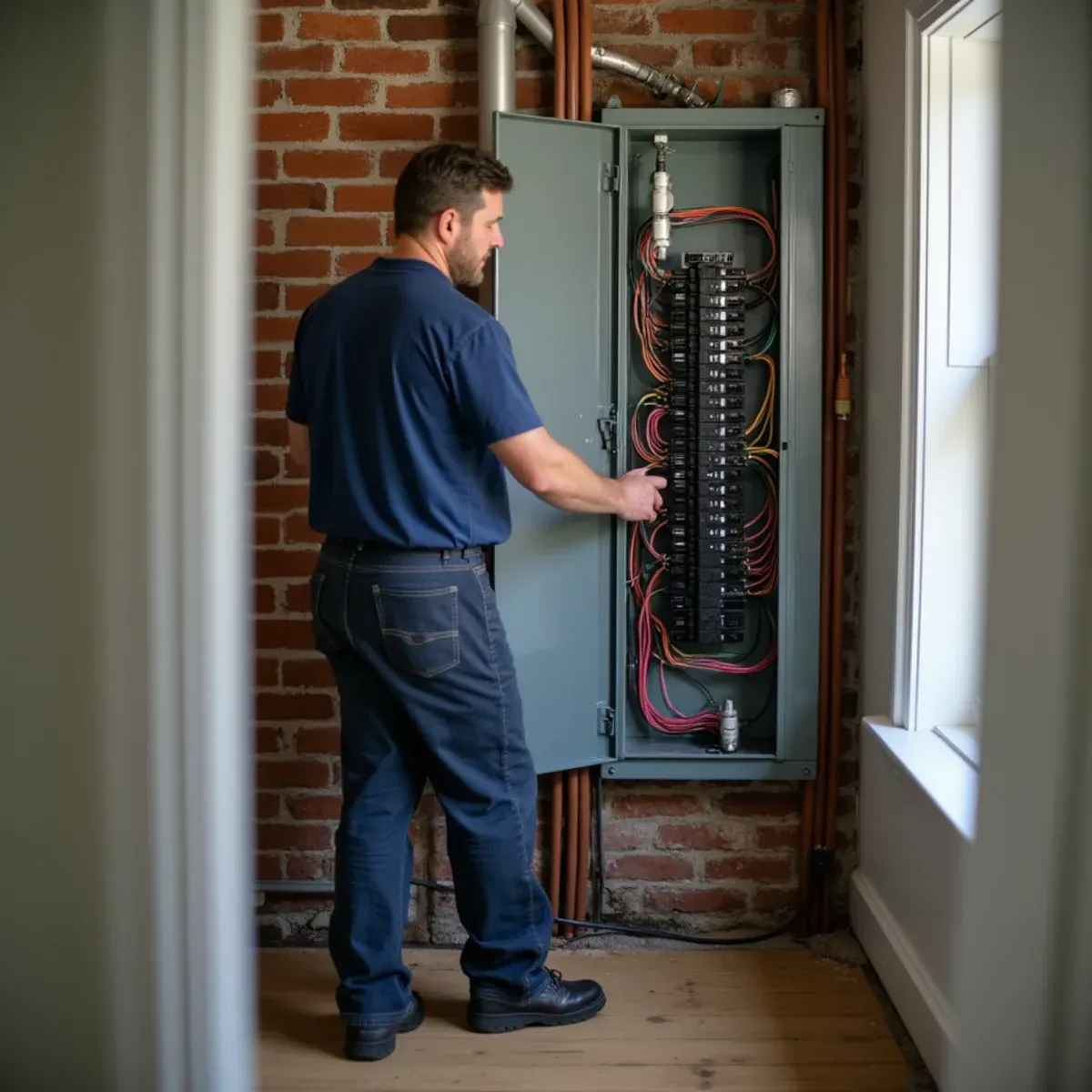
If your home's main electrical breaker panel is located in an unaffected, completely dry room, stand on a dry wooden board or rubber mat and switch off the individual circuit breakers supplying the flooded rooms. If water is leaking onto the breaker box itself, or if you must wade through standing water to access the panel, DO NOT touch any electrical switches. Immediately evacuate the home and call PECO or local emergency services from a dry, safe location outside.
Step 3: Open Faucets to Drain Trapped Water by Gravity
Even after you successfully close the main shutoff valve, between 10 and 25 gallons of water remain trapped inside vertical risers, branch lines, and upper-floor fixtures under residual hydraulic pressure. If left untouched, this trapped volume will continue draining directly through the pipe rupture.
To divert this water safely away from structural building materials, go to the lowest cold water faucet in your home—such as a basement utility laundry sink or an exterior frost-free hose spigot—and open it wide. Next, go to the highest bathroom in the house and open both the hot and cold faucets. Opening the highest taps introduces an atmospheric vacuum break, allowing the entire plumbing network to siphon empty safely into the sewer drain rather than pooling across your ceilings and subfloors.
Step 4: Contain Water & Relieve Ceiling Blisters
When an overhead pipe ruptures between second-floor joists, water collects on the upper surface of drywall ceilings, creating heavy, sagging blisters that can suddenly collapse under hundreds of pounds of water weight. Managing this water systematically prevents dangerous ceiling cave-ins:
Step 5: Document Damage Thoroughly for Your Insurance Claim
Property casualty insurance adjusters require indisputable photographic and video evidence establishing the failure point, water migration path, and damaged personal belongings. Before moving ruined items or running commercial dehumidifiers, spend five minutes recording comprehensive documentation:
- Record a continuous video walkthrough starting from the main shutoff valve to the rupture point, narrating the time of discovery.
- Take close-up photos of the split pipe, showing whether the failure was caused by freeze expansion, joint solder detachment, or mechanical shear.
- Capture the water line on baseboards, drywall walls, and cabinetry to establish maximum water depth.
- Photograph serial number plates on wet mechanical equipment, such as water heaters, boilers, furnaces, and laundry appliances.
Emergency Clamps vs. Permanent Code-Compliant Pipe Repairs
While awaiting a licensed emergency plumber, many homeowners attempt temporary stopgap repairs. Understanding the difference between temporary emergency stabilization and permanent code-compliant repairs protects your home from recurring ruptures:
| Repair Method | Durability | Code Compliance | Best Used For | Risk Factor |
|---|---|---|---|---|
| Rubber Sleeve & Hose Clamp | Temporary (1–12 hours) | Not Code-Compliant | Emergency leak containment until plumber arrives | High risk of blowout under full municipal pressure |
| Push-Fit Couplings (SharkBite) | Temporary to Mid-Term | Conditional | Accessible dry pipe emergency splices | Cannot be concealed behind finished walls without inspection access |
| Hydraulic ProPress Copper | Permanent (50+ years) | Full IPC / UPC Compliant | Commercial & residential copper pipe repairs | Zero fire hazard; seals wet pipes permanently with 1,000+ psi press |
| Uponor PEX-a Expansion Reroute | Permanent (50+ years) | Full IPC / UPC Compliant | Freeze-vulnerable runs, repipes, unheated spaces | Expands up to 3x diameter during freezes without bursting |
Step 6: Call a Licensed Local Emergency Plumber
Once water flow is arrested, call Madrid Plumbers at (858) 363-8298. Our on-call technicians arrive equipped with cordless hydraulic press tools, commercial moisture meters, Uponor PEX-a expansion equipment, and high-flow submersible transfer pumps.
We do not just patch the split section; our master plumbers evaluate the entire hydraulic run to determine why the pipe burst in the first place—checking for excessive municipal pressure, lack of thermal expansion tanks, or missing wall insulation. We perform a complete pressurized hydrostatic pressure test to guarantee adjacent solder joints were not fatigued by hydraulic shock waves. Explore our specialized emergency plumbing service and pipe repair solutions.
Water pouring from a broken pipe? Call our 24/7 dispatch team.
Live dispatchers answering 24/7. Firm price before any work begins.

Expert E-E-A-T Insights: Preventing Repeat Pipe Bursts in Chester County
Chester County's freeze-thaw cycles and aging housing stock expose residential plumbing to recurring rupture risks. Drawing on years of emergency field experience across southeastern Pennsylvania, our master plumbers recommend these critical preventative upgrades:
Have a Plumbing Emergency Right Now?
Do not wait for water damage to escalate. Call Madrid Plumbers at (858) 363-8298 for immediate local dispatch.
Frequently Asked Questions
Helpful clarifications related to this guide.
Shutting the main valve stops incoming municipal pressure immediately. However, several gallons of water trapped in upper-story pipes will continue draining through the break until you open lowest-level faucets (such as a basement laundry sink) to siphon the lines dry.
Have a question not listed here? Speak with an on-call plumber at (858) 363-8298
Relevant Plumbing Services
Nearby Communities Covered
Continue Reading
Need Advice on Your Home's Plumbing?
For non-emergencies, send us a question or service request. For active leaks or backups, call 24/7.